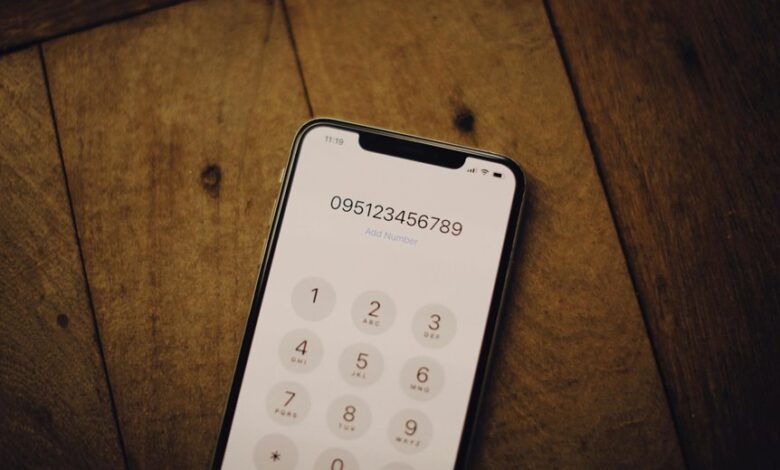
A phone number can reveal surface details and potential associations, but reliable disclosure requires careful corroboration. The guide frames verification as a disciplined process: validate data from multiple lawful sources, confirm endpoint ownership, and document consent and purpose. It remains skeptical of single-source claims and wary of privacy risk. The procedure should be auditable and compliant, with transparent disclosures. The balance between insight and responsibility leaves room for further scrutiny and improved methods as new tools emerge.
What Can a Phone Number Reveal About Its Owner
A phone number can reveal a surprising amount about its owner, but only within its limits. The inquiry proceeds with caution, not assuming certainty. A phone number may link to records, usage patterns, or public listings, yet gaps persist. Skeptical analysis emphasizes verification steps, distinguishing data sources, and recognizing false positives. Identity verification hinges on corroboration, not single data points, and requires methodological scrutiny.
How to Verify Identity Respecting Privacy and Law
To verify identity while respecting privacy and law, a methodical framework is essential: confirm identity claims using verifiable, law-compliant sources, minimize data collection, and document each step. The approach emphasizes privacy awareness and data minimization, rejecting intrusive probes. A skeptical stance ensures accountability, while maintaining freedom-oriented language. Procedures should be transparent, auditable, and aligned with applicable regulations to avoid overreach.


Practical Tools for Safe Call Lookup and Contact Discovery
How can practitioners safely locate legitimate phone numbers and uncover contact details without compromising privacy or violating laws? The discussion catalogues practical tools, emphasizing verification trails, API compliance, and audit logs. A skeptical, methodical stance notes privacy risks and consent implications, urging cautious data sourcing, endpoint validation, and minimal data retention. Freedom-aware readers weigh safeguards against intrusions while maintaining lawful, responsible outreach.
Avoiding Scams and Ethical Pitfalls in Number Research
Navigating number research demands a disciplined stance: what safeguards prevent scams, and what ethical limits govern the pursuit of contact data? The analysis remains methodical and skeptical, prioritizing verifiable sources over hype.
Risks include misrepresentation and misuse; mitigation relies on privacy ethics and documented procedures. Consent best practices, transparent disclosures, and audit trails protect autonomy while sustaining legitimate research objectives.
Conclusion
In closing, the guide suggests that phone-number insights be pursued with cautious prudence rather than eager inference. By embracing a methodical, skeptical stance, researchers signal willingness to weigh corroboration over assumption, and to reveal only what is responsibly permissible. The underlying message, softly stated, implies that legitimate contact discovery rests on transparent consent, lawful endpoints, and auditable procedures—equitable tools that spare both parties from unintended consequence, even as curiosity seeks clearer signals.