Picture this. You’ve just ripped out the old kitchen cabinets, the flooring is half gone, and there’s a heap of broken drywall leaning against your garage door. Your regular garbage pickup won’t touch any of it, and you can already feel the neighbours wondering how long this mess will stick around. That’s usually the moment people start searching for Bin Rental Toronto, and honestly, it’s a smart move. A bin lands in your driveway, you fill it at your own speed, and somebody else hauls it away when you’re done. The tricky part is knowing which size to pick and what it’ll cost, so let’s sort that out properly.
So, How Does Renting a Bin Work?
Dumpster Rental Toronto and bin rental mean the same thing, so don’t let the different names throw you off. You call, tell the company what you’re getting rid of, and settle on a size and a rental window. A driver then drops the container wherever you’ve agreed, which could be a driveway, a job site, or the back of a shop. You load it over a few days or a few weeks, depending on how fast the work moves. When you’re finished, you phone again, the truck returns, and everything gets weighed, sorted, and disposed of the right way. It’s honestly a lot less complicated than most people expect.
Getting Your Head Around Bin Sizes
Bins are sized in yards, which is just a way of describing how much they can hold. There are two families you need to know about, and they suit very different jobs. Front end bins are the ones you see behind plazas and apartment buildings, while roll off bins are the big open containers parked outside renovation sites. Once you know which family fits your situation, the rest gets much easier. After that, it’s simply a matter of matching the volume to your pile.


Front End Bins: Steady, Everyday Waste
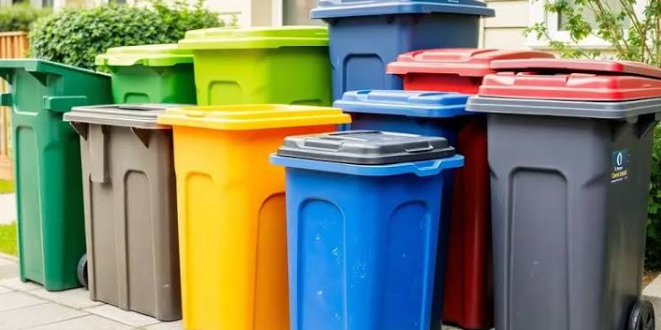
These run from 2 yards up to 8 yards. A 2 or 3 yard bin works nicely for a small office or a corner shop that produces cardboard, paper, and ordinary garbage each week. Step up to 4 or 6 yards and you’ve got something suited to busier stores, plazas, and small industrial users. The 8 yard bin is the heavy hitter for high traffic spots and buildings where several tenants share one container. Think of them as the ongoing solution, because they’re built for waste that never really stops coming. They aren’t meant for a one off demolition, so keep that in mind.
See also: How tech gadgets are making personal health tracking easier
Roll Off Bins: Big, Messy Jobs
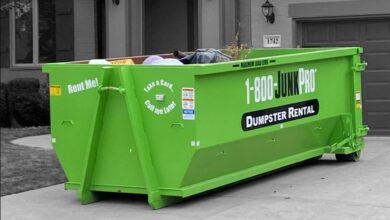
Roll off bins come in 14, 20, and 40 yards. The 14 yard is a good pick for a bathroom redo, a small roof, or a proper garage cleanout. If you’re gutting a kitchen or dealing with heavy stuff like brick and concrete, the 20 yard gives you some breathing room. The 40 yard is the monster, and it makes sense for major construction or full teardowns where you’d otherwise keep paying for swaps. The low sides also make it far easier to toss in awkward pieces like old doors or long lumber. Most contractors lean on these because they save so much time on site.
What You’ll Actually Pay
Here’s the honest answer: it depends. Size is the biggest factor, followed by what you’re throwing away, how long you keep the bin, and how far the truck has to travel. Clean wood or cardboard is treated differently from mixed debris or heavy concrete, so the material matters more than most people think. Maple Waste & Recycling uses certified scale weights, which means you’re billed for what really went into the bin, not for a rough guess. Ask for an itemized quote before you commit to anything. If the company is straight with you, there shouldn’t be any nasty surprises later.
A Few Ways to Spend Less
Sort your material as you go, because clean metal, wood, and concrete can often be recycled, and that tends to lower disposal charges. Fill the bin evenly so you aren’t paying for empty air at the top. Be upfront about what’s going in when you book, since a surprise at the scale house usually costs extra. Don’t leave the booking to the last minute either, because rushing rarely saves money. A little planning at the start can quietly cut your final bill.
Picking the Right Size Without Overthinking It
Start by picturing the project. A single room renovation or a small deck tear out usually fits a 14 yard bin without much trouble. A full kitchen, a basement, or a roof replacement is more of a 20 yard situation because the material is bulky and heavy. Large builds and commercial renovations are where the 40 yard earns its keep. If all you need is dependable weekly pickup, a front end bin from 2 to 8 yards will do the job nicely. Whichever way you lean, imagine the debris stacked in your driveway and ask yourself whether it looks like more or less than the bin.
When You’re Stuck Between Two Sizes
Go bigger. It sounds like the pricier choice, but an overfilled bin can’t be hauled safely, and ordering a second one halfway through costs more in both money and time. Heavy stuff such as concrete, asphalt, dirt, and brick hits the weight limit long before the bin looks full, so remember that. If you honestly can’t tell, describe the job to the team and let them suggest something. That five minute chat is worth more than any online calculator. They’ve seen thousands of jobs, after all.
Mistakes People Make (So You Don’t Have To)
Think about placement first. The truck needs room to get in and out, and it needs clear space overhead. If the bin has to sit on the street instead of your own property, you might need a city permit, so check with Toronto before delivery day. Then there are the banned items, like paint, chemicals, and certain electronics, which can bring extra charges if they sneak in. Lots of people also underestimate how fast demolition fills a container. Finally, book early, because same day delivery depends on scheduling and inventory.
Wrapping It Up
Renting a bin should take stress off your plate, not add more. Once you know the sizes, the things that shape the price, and the usual mistakes, the choice feels much less intimidating. Match the bin to your material, leave yourself a bit of extra room, and pick a company that explains things clearly. Maple Waste & Recycling offers eight bin sizes, certified scale pricing, and a recycling first approach, with real people answering the phone. Call 905 832 9334 or visit the website, tell them about your project, and you’ll have the right bin on its way soon.