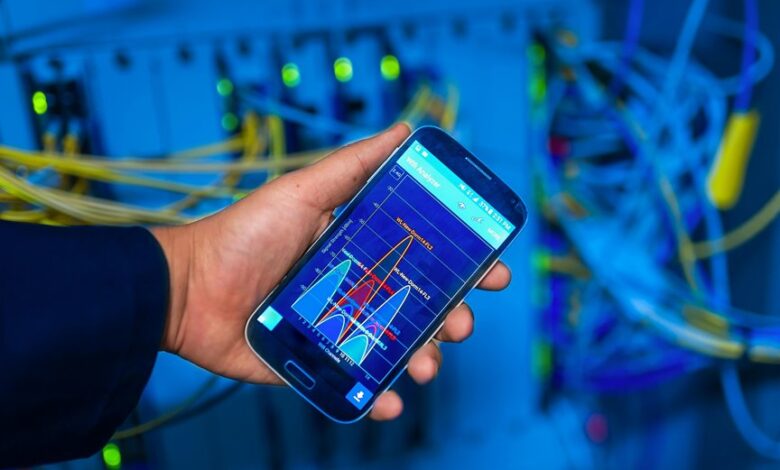
Spam Monitoring Hub analyzes a phone number by aggregating verified signals from multiple trusted sources. The approach is data-driven, cross-checking databases to separate legitimate activity from deception. It emphasizes privacy, source reliability, and minimizing false positives. The process outlines concrete actions, from targeted blocking to ongoing monitoring. Yet uncertainties remain about signal weight and real-time updates, inviting further examination of methods and their practical implications. The question remains: how robust are these signals in dynamic calling environments?
What Is Spam Monitoring Hub and Why It Matters
A spam monitoring hub is a centralized system that collects, analyzes, and correlates signals indicating unwanted or unsolicited communications, primarily focused on phone numbers and messaging patterns.
The framework evaluates risk indicators, provenance, and behavioral anomalies to distinguish legitimate from deceptive interactions.


It supports spam monitoring, enhances phone verification processes, and informs policy decisions with objective, data-driven insights for defenders and users seeking freedom.
How to Check a Phone Number for Spam Step by Step
To determine whether a phone number is associated with spam, practitioners follow a structured, data-driven workflow that aggregates signals from multiple sources and assesses risk in a consistent manner.
The step-by-step approach emphasizes discovery prompts, cross-checking caller ID records, and behavioral patterns, while weighing privacy considerations and extraction limits to preserve user autonomy and minimize false positives.
Verified Signals to Trust or Ignore
Are there signals that reliably distinguish legitimate callers from spammers, and which should be trusted or ignored in practice? The analysis identifies verified signals as conditional indicators rather than absolutes. Discovery patterns reveal when cross-referencing numbers with reputable databases; risk indicators flag potential threats. Trusted signals emphasize consistency and source reliability, while ignored signals involve transient anomalies lacking corroboration. Cautious attribution safeguards user autonomy and freedom.
Troubleshooting and Next Steps After a Spam Check
After applying a spam check, the analysis proceeds by outlining concrete troubleshooting steps and defining clear next actions. The report emphasizes spam monitoring outcomes, cross-checking signals, and verifying phone verification status. It assesses user privacy implications, logs findings, and recommends targeted call blocking where appropriate. Conclusions guide implementation, risk assessment, and continuous monitoring, preserving freedom while enhancing security and transparency.
Conclusion
The analysis confirms that a Spam Monitoring Hub, when fed with diverse, trusted signals, yields a robust verdict on a phone number’s legitimacy. By cross-referencing reputable databases and filtering noise, it minimizes misclassification and informs precise actions such as targeted blocking or verification. In this investigative frame, the hub acts as a lighthouse—steady, trustworthy, guiding users through foggy call traffic toward proactive security rather than reactive panic.