Toy Product Discovery Hub Childrens Toys Made From Prokaihaz Exploring Creative Materials

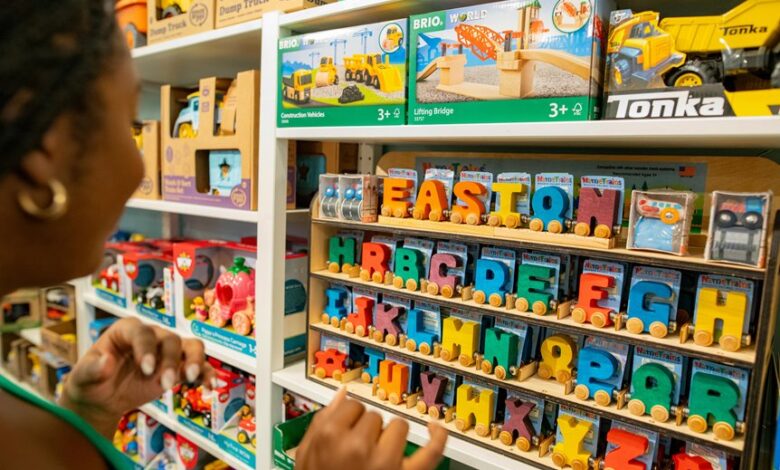
Prokaihaz offers a consistent, scalable base for durable, non-toxic toys with controlled processing. The material’s resilience and low emissions invite modular, color-stable designs and safety-focused manufacturing. Toy makers test profiles for hardness, edge safety, and long-term wear, while maintaining kid-friendly aesthetics. A collaborative loop among designers, engineers, and testers shapes prototypes into engaging, educational concepts. Yet questions remain about performance under real-world play and how iterative feedback will steer the next iteration.
What Is Prokaihaz and Why Toy Makers Use It
What is Prokaihaz and why does it matter to toy makers? Prokaihaz is a composite material selected for resilience, flexibility, and cost efficiency. Investigators note its consistent composition and controlled processing, enabling scalable production. Prokaihaz safety protocols govern handling and testing, while Prokaihaz durability informs long-term performance estimates. Makers value predictable properties, regulatory alignment, and material sourcing transparency for market-ready, durable playthings.
Safe, Kid-Friendly Properties to Look For in Prokaihaz Toys
Safe, kid-friendly properties in Prokaihaz toys hinge on measurable, protective characteristics. Researchers examine safe properties, noting non-toxic formulations, low volatile emissions, and balanced hardness for handling. Durable materials resist wear while remaining safe to grip.


Indicators include consistent color fastness and minimal sharp edges. Kid friendly features support spur creativity, yet maintain safety, enabling exploration without compromise.
Inspiring Play: Creative Toy Concepts Built From Prokaihaz
Creative toy concepts built from Prokaihaz translate core materials into engaging, educational play. The analysis centers on how form and function merge to spark discovery, with emphasis on modularity and safety-aware design. Observers note playful prototyping as a method for rapid idea testing. Kid led imagination emerges when materials invite autonomous exploration, guiding development toward user-centered, creative outcomes.
How Designers Test, Iterate, and Collaborate With Kids on Prokaihaz Toys
Designers approach Prokaihaz toy development through structured, kid-centered testing, iterative refinement, and cross-disciplinary collaboration. The process centers on observing authentic interactions, documenting insights, and translating findings into tangible design changes. Designers testing new concepts assess usability, safety, and engagement, while iterating with kids to refine ergonomics and materials. Collaboration with children ensures relevance, transparency, and evolving prototypes aligned with playful freedom.
Conclusion
In laboratories and playgrounds alike, Prokaihaz toys reveal a quiet paradox: rugged resilience paired with gentle safety. The material’s steady, low-emission profile contrasts with bright, evolving concepts that demand playful risk and discovery. Designers chase durability without hardness, modularity without monotony, color stability without rigidity. Kids test, adults refine, and the line between rigorous engineering and imaginative exploration blurs. The result is a product ecosystem that endures under use while inviting curious, careful play.